– 17 June 2025 –
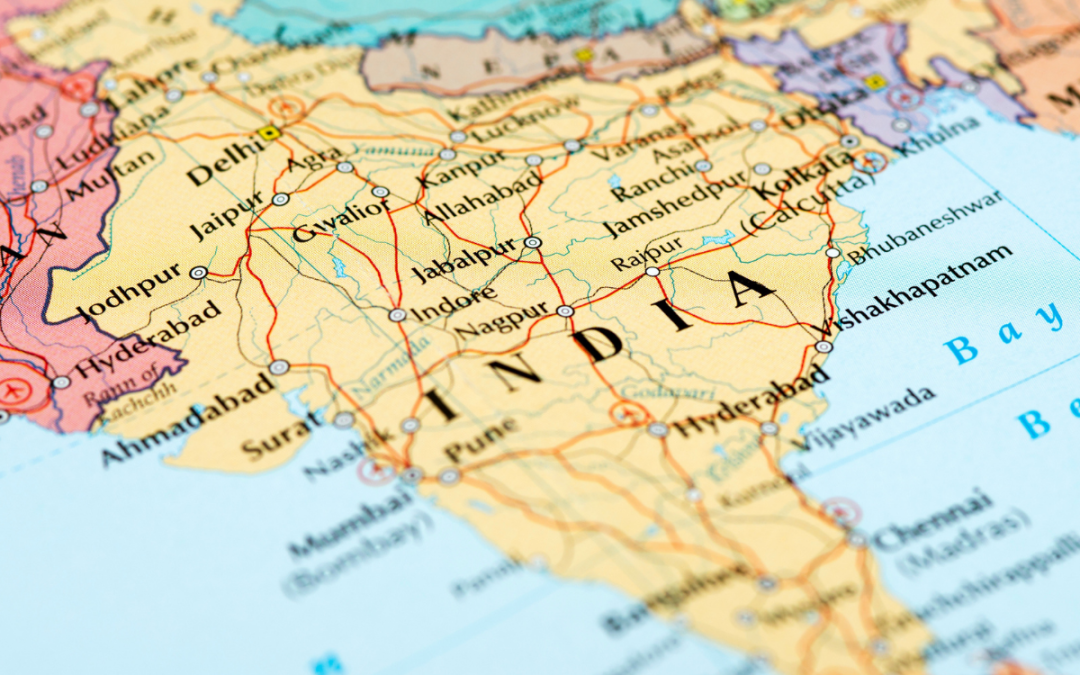
India has been on our radar for several years. In 2025, India surpassed Japan as the world’s fourth largest economy. It is also one of the fastest growing global economies. According to our insiders and many other experts, the country is ripe for foreign investment.
The country ticks all the boxes for an ideal investor Meet Up.
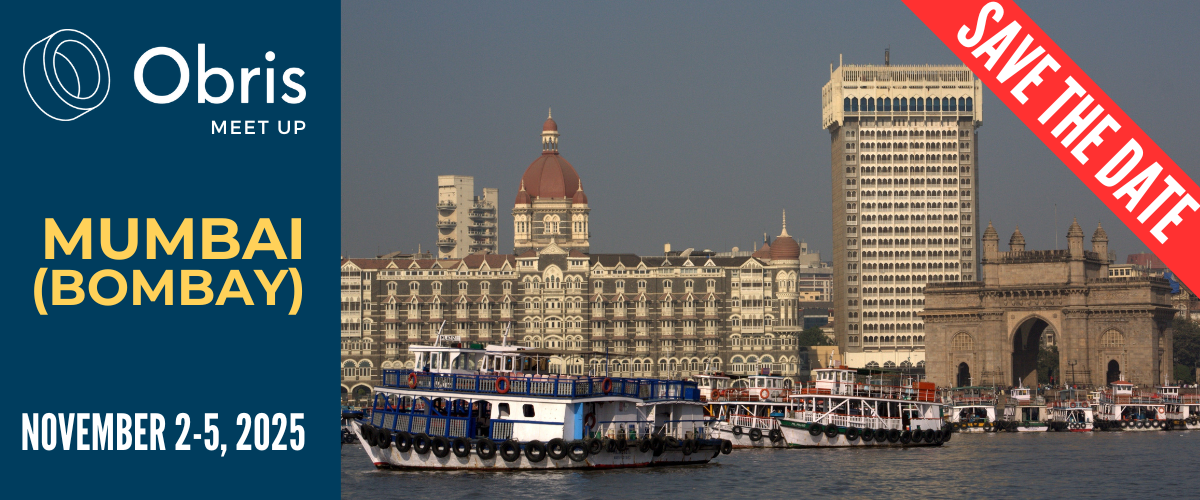
Focus on the city of Mumbai, considered the Gateway to India, and you have a dynamic and vibrant city to gather and explore.
This issue of The Global Investor offers you a glimpse of India and why we will host our next investor Meet Up in Mumbai in November 2025.
The Gateway to India
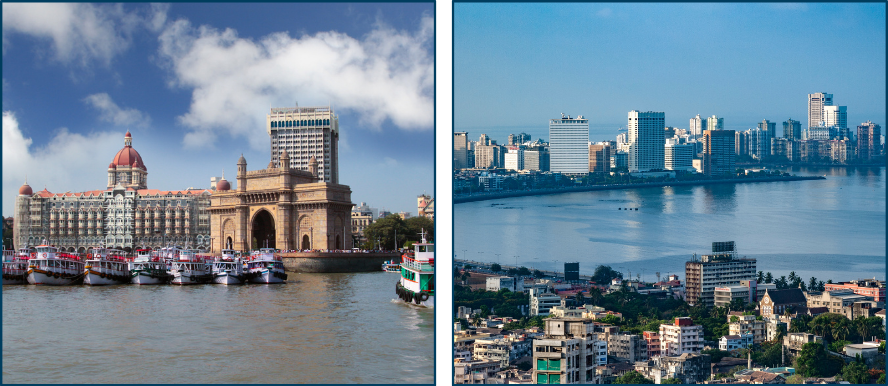
Mumbai is a vibrant and dynamic city of 12.5 million people (22.1M if you consider the Mumbai Metropolitan Region). The City uniquely blends modern with ancient including three UNESCO World Heritage sites. Locals still call it Bombay.
It is a city of contrasts and energy – the pulse of modernity beats alongside a deep-rooted history. It’s a kaleidoscope of experiences—a place where skyscrapers soar above vibrant street markets, luxury blends effortlessly with tradition, and the entrepreneurial spirit lives.
Mumbai is the financial, cultural, and entertainment capital of the country. It is home to Bollywood, world-class dining, and a thriving arts scene. Yet, its soul resides in the local communities, bustling bazaars, and iconic landmarks like the Gateway of India and Marine Drive.
For the worldly traveler, Mumbai offers a sensory feast: the fragrant spices of its cuisine, the dazzling hues of its textiles, the rhythmic beats of its festivals, and the sheer warmth of its people. It’s a city that demands exploration—not just for its sights but for the stories and possibilities it unveils with every interaction.
Mumbai is not just a destination; it’s an immersion into the heart of one of the world’s most dynamic and diverse cultures. Prepare to be captivated, challenged, and inspired all at once.
Join Obris for an Epic Adventure
With nearly 30 investor Meet Ups under our belt, we thrive to curate events that inform, equip and engage active investors from around the world. It is our goal that you will leave India with a deeper understanding of the country and its investment prospects, along with actionable investment opportunities to grow your wealth.
As with every Obris Meet Up, we will allocate considerable time to helping your money work for you. We will also weave in a plethora of opportunities to connect with our amazing members from around the world and the first-rate presenters from India.
I cannot think of a better or more exotic setting to expand your understanding of investing, to grow your network and deepen friendships.
India in 2025
More than a decade ago, I read an analysis that compared the future economic prospects of China and India. At that time, China was the world’s most populated country, although India was quickly catching up.
The author proposed that India had far superior potential for economic growth. Its workforce was young, educated and growing. Entrepreneurship thrived. The government was motivated to support developing the economy, and to make India a safe place to invest – including foreign investment.
Fast forward to 2025, India is now the fourth largest economy in the world. It surpassed Japan earlier this year. It is projected to be the fastest growing major economy with GDP projected to reach USD $4.187 trillion in 2025. Opportunities for foreign investment abound, though they will require finesse and ample due diligence to find the right opportunities.
VanEck Alternative Asset Managers summarize India’s unique position and potential well:
India’s rapid digitization, thriving equity market and demographic trends are creating compelling investment opportunities that we believe investors should be exploring.
India is carving out a unique niche in the global investment landscape and becoming a rising investment destination. Key drivers include:
- High GDP growth supported by policy tailwinds.
- Expanding digital sector fueled by increasing smartphone users.
- Government-led initiatives promoting financial inclusion and fintech.
- Young, English-proficient workforce.
- Thriving equity market that has surpassed China’’s.
While much more could be stated – this gives you a glimpse into India and why we will gather in Mumbai later this year. For those who would like to dig a bit deeper, we expand this newsletter below to offer you India’s Demographics, Key Trends and Primary Industries.
A draft program for the Meet Up may be found on the Obris website. While there, please complete the form to let us know if you are planning to attend.
Demographics, Key Trends & Major Industries
Demographics
India’’s demographics make it a country of immense potential and complexity, with a youthful, diverse population poised to shape the global future.
- Population: 1.46 billion (India overtook China as the most populated country in the world in 2023)
- Urbanization: 36% urban, 64% rural
- Median Age: 28, making India one of the youngest populations in the world. 40% of the population is under the age of 25.
- Ethnic Diversity: India is home to over 2,000 ethnic groups, with the Indo-Aryan and Dravidian groups comprising the majority.
- Religious Diversity: The country is predominantly Hindi (79.8%). India is characterized by religious diversity, with Hinduism, Islam, Christianity, and Sikhism being the major religions.
- Literacy Rate: 77.7% (84.7% males, 70.3% females)
- Labor Force: 500 million. Key sectors: Agriculture (45%), Industry (25%), Services (30%). The urban workforce is dominated by technology, finance and manufacturing.
- Geography: With 3.287 million square kilometers, India is the 7th largest country by area.
Key Trends
- Rapid urbanization, with cities like Mumbai, Delhi, and Bangalore driving economic growth.
- A growing middle class, projected to reach 400 million by 2030.
- Significant youth population, creating opportunities and challenges for education and employment.
Industries
Diverse industries drive India’’s growth. Below is a breakdown of the major industries in India, along with employment estimates:
- Agriculture and Allied Activities: Farming, forestry, fisheries, and animal husbandry. ~41% of the workforce (~205 million people). Contributes ~18% to the GDP.
- Information Technology (IT) and Business Process Management (BPM): IT services, software development, and outsourcing. ~5 million people directly, ~12 million indirectly. Contributes ~7.5% to the GDP.
- Manufacturing and Industry: Spanning textiles, automotive, chemicals, pharmaceuticals, steel, and more. ~60 million people employed. Contributes ~27% to the GDP.
- Retail and E-commerce: Traditional retail, organized retail chains, and online platforms. ~50 million people employed. Contributes ~10% to the GDP.
- Construction and Real Estate: Residential, commercial, and infrastructure projects. ~60 million people employed. Contributes ~8-9% to the GDP.
- Healthcare and Biotechnology: Hospitals, pharmaceuticals, medical devices, and biotech. ~4.5 million people employed. Contributes ~4.5% to the GDP.
- Financial Services: Banking, insurance, investment, and fintech. ~8 million people employed. Contributes ~6% to the GDP.
- Education and Training: Schools, universities, edtech platforms, and vocational training. ~12 million people employed. Contributes ~4% to the GDP.
- Transportation and Logistics: Railways, road transport, shipping, and aviation. ~22 million people employed. Contributes ~6% to the GDP.
- Hospitality and Tourism: Hotels, travel agencies, and cultural tourism. ~40 million people employed. Contributes ~6.9% to the GDP.
- Energy Sector: Coal, oil and gas, renewable energy, and power generation. ~3 million people employed. Contributes ~5% to the GDP.
India’’s economic strength lies in its ability to balance traditional sectors like agriculture and textiles with high-growth industries like IT, e-commerce, and renewable energy. These sectors are instrumental in shaping the nation’s global economic footprint.